
What a Day in the Life of a Computer Science Engineering Student Looks Like

Morning: Lectures That Actually Build on Each Other
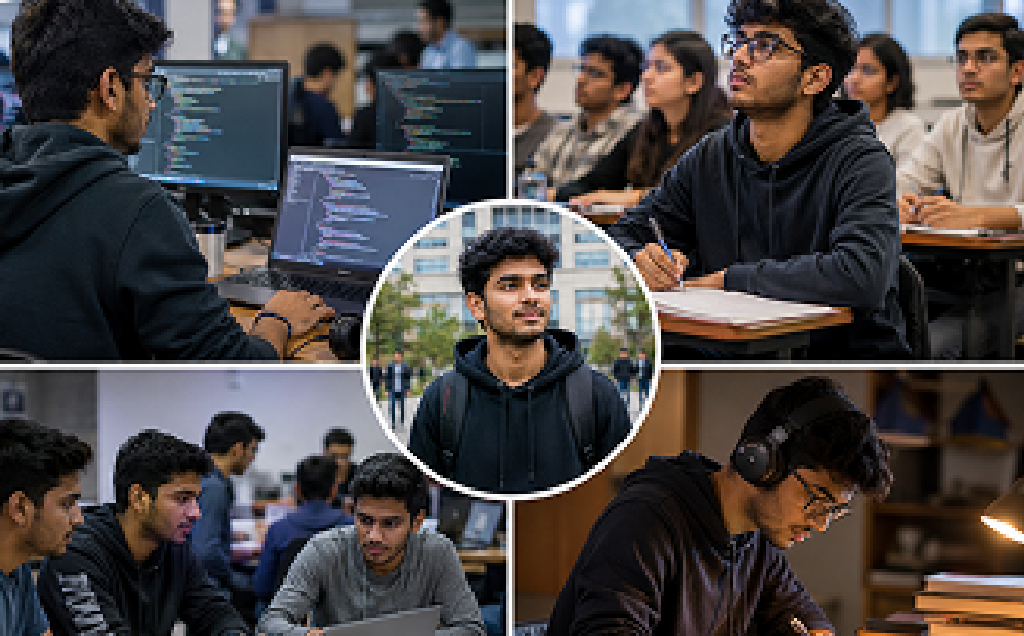
The day usually starts with one to three lectures, depending on the semester, covering the core CSE syllabus: programming fundamentals, data structures and algorithms, operating systems, computer networks, database management, and eventually specialized electives in AI, machine learning, or systems design as students move into their third and fourth years. Unlike school, where subjects can feel disconnected from each other, CSE coursework tends to stack. What you learn in Data Structures shows up again in Algorithms. What you learn in Operating Systems shows up again when you’re debugging why your code runs slowly. That connectedness is part of what makes the subject click for students who initially found the first semester confusing.
First-year students spend a lot of this time in foundational programming labs, usually C or Python, learning to think in logical steps before anything about “computer science” actually starts looking impressive. It’s genuinely the least glamorous part of the degree, and also the part that determines how comfortable everything after it feels.
Afternoon: Where the Actual Learning Happens
This is where CSE education stops being theoretical. Lab sessions turn lecture concepts into working code, and by second year, most of a student’s afternoon revolves around implementation: writing programs, debugging errors that make no logical sense until they suddenly do, and slowly building the instinct for spotting what’s wrong before even running the code.
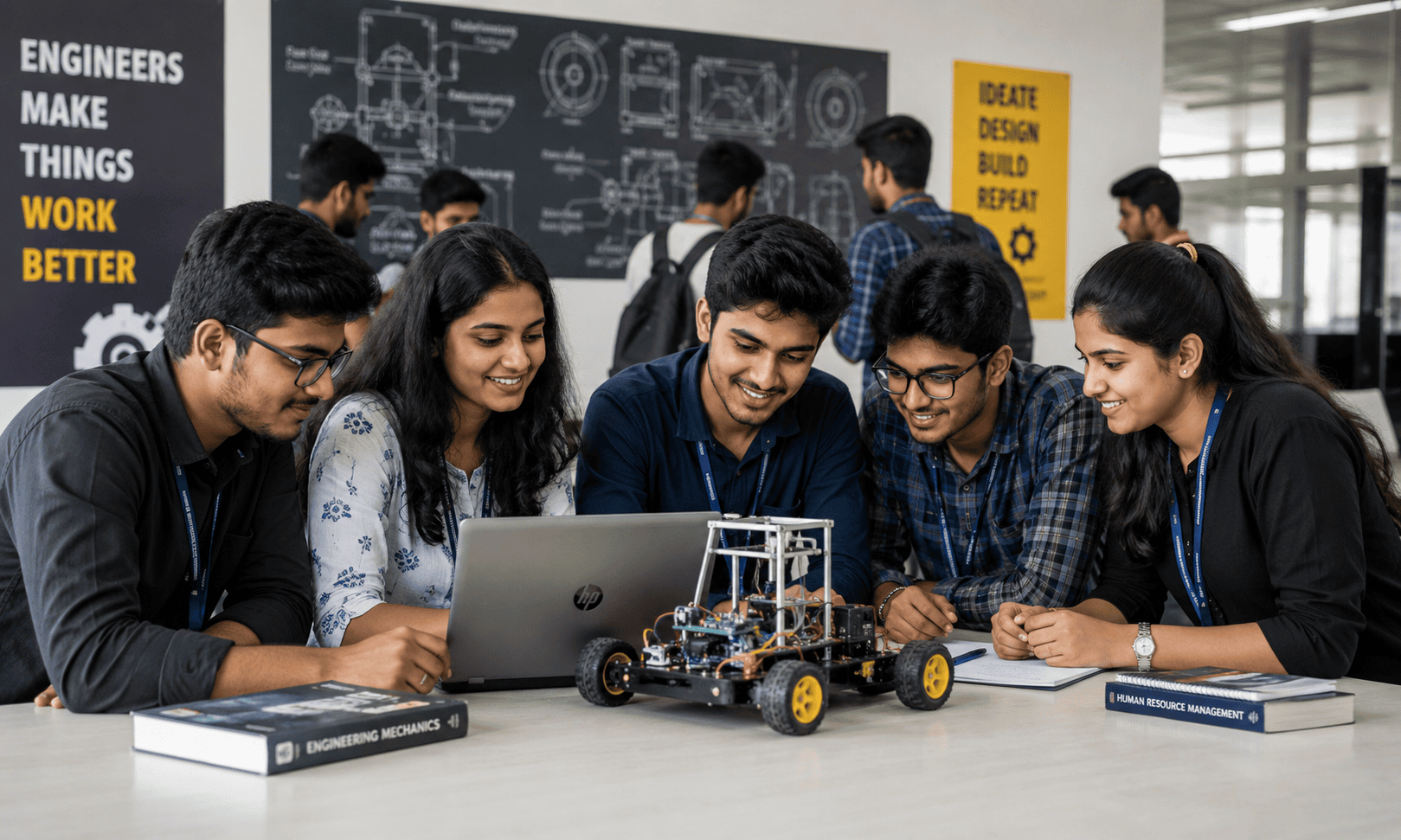
Group projects start showing up heavily from second year onward. Students split into teams, assign modules, argue over whose approach is cleaner, and learn, often the hard way, that working in a team on code is a completely different skill from writing code alone. By third year, this shifts further: students aren’t just completing assigned lab exercises anymore, they’re building actual applications, contributing to open-source projects, or working on a research problem with a professor.
Computer labs during this stretch of the day are usually full. Not because attendance is mandatory, but because debugging a stubborn piece of code is genuinely easier with a friend two seats away who’s seen the same error before.
Evening: Coding Because You Want To, Not Because You Have To
Here’s the part that surprises people outside the field: a meaningful chunk of CSE students keep coding after classes end, and not because an assignment is due. Competitive programming, personal projects, contributing to a hackathon team, or just working through a problem set on a coding platform for the satisfaction of solving it. Surveys of engineering students consistently find that somewhere around a fifth of students who code seriously started purely out of interest, not coursework requirement, and that interest tends to compound over four years into a real skill advantage by graduation.
Clubs and coding competitions become a genuine part of campus life during this stretch of the evening. Hackathons, in particular, occupy a strange, exhausting, and oddly beloved place in CSE culture, 24 or 36-hour stretches of building something from scratch, running on minimal sleep and too much coffee, that somehow become some of the most memorable experiences of the degree. Students who might never describe themselves as “coding enthusiasts” often walk out of their first hackathon completely changed in how they see the subject.
What Ties the Whole Day Together
The single biggest adjustment CSE students have to make, especially early on, isn’t technical. It’s learning to manage unstructured time. Unlike school, where every hour is accounted for, a college day might have only two or three fixed lecture slots, and what happens in between is entirely up to the student. Some structure that time around study groups and lab work. Others waste it and pay for it during exam season. The students who do well tend to figure out, usually by second year, that self-discipline matters more than raw intelligence in this field.
By the time placement season arrives in the final year, the accumulated weight of all those afternoons in the lab and evenings on personal projects becomes obvious. Companies aren’t just looking at grades. They’re looking at what a student has actually built, which is precisely why the unstructured evening hours matter as much as the structured morning lectures do.
The Honest Summary
A day in CSE isn’t glamorous, and it isn’t the caffeine-fueled cliché either. It’s lectures that build on each other, labs where theory turns into something that actually runs, evenings spent solving problems because they’re genuinely satisfying to solve, and a slow, cumulative shift from “I don’t understand why this isn’t working” to “I know exactly where to look.” Students who enjoy that process tend to enjoy the entire degree. Students who were only ever chasing the reputed salary at the end of it often find the day-to-day harder to sustain.
KVELL’s B.E. in Computer Science and Engineering is structured around exactly this rhythm, strong lecture foundations early on, lab-heavy application from second year, and real exposure to hackathons, projects, and research, so students build the kind of practical, demonstrable skill that placement season actually rewards.
More Blogs